
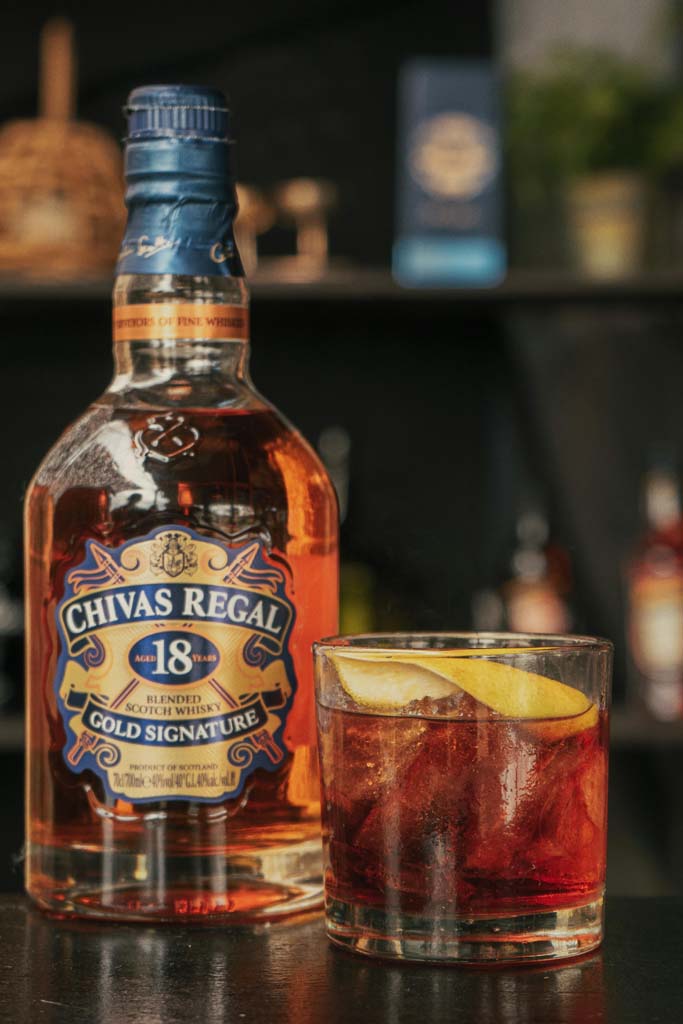
Walk into any serious whiskey bar and scan the top shelf. Chances are you’ll spot bottles with “18 Years” emblazoned across their labels, commanding prices that make your wallet flinch. Old whiskey carries a mystique that younger spirits simply can’t match. But what actually happens during those 18 years in a barrel? And why do collectors, connoisseurs, and casual drinkers alike gravitate toward this particular age statement like moths to a flame?
The appeal goes deeper than bragging rights at dinner parties. Eighteen-year-old whiskey represents a sweet spot in the aging process—long enough to develop genuine complexity, but not so long that the wood overpowers everything else. Distillers worldwide recognize this magic number, from Scottish single malts to American bourbons to Japanese whiskeys. The bottle might cost more than a nice dinner for two, but fans argue the experience justifies every penny.
The Science Behind Old Whiskey Aging
Aging whiskey isn’t just about waiting around. Active chemical transformations occur inside those oak barrels every single day. The spirit breathes through the wood, expanding in summer heat and contracting during winter cold. Each cycle draws the liquid deeper into the barrel staves, extracting flavors from the charred oak while simultaneously mellowing harsh alcohol notes.
Oxygen plays a crucial role too. Microscopic amounts seep through the wood, triggering oxidation reactions that create new flavor compounds. Vanillin emerges from the oak lignin breakdown. Tannins contribute structure and drying sensations on the palate. Lactones deliver coconut and woody characteristics. Meanwhile, some of the harsher congeners from distillation gradually fade away or transform into more pleasant molecules.
The “angel’s share”—the portion of whiskey that evaporates through the barrel—adds another dimension to the aging equation. Roughly 2-4% of the volume disappears each year, concentrating flavors and changing the spirit’s character. After 18 years, a significant portion of the original distillate has vanished into thin air, leaving behind a more concentrated and refined liquid. Distillers accept this loss as the price of creating something extraordinary.
Temperature fluctuations matter enormously. Kentucky bourbon warehouses experience extreme seasonal swings, accelerating the aging process compared to Scotland’s milder climate. Whiskey experts debate whether hotter climates produce “faster” maturation, but most agree that time itself remains irreplaceable. No amount of heat can replicate the subtle changes that occur over nearly two decades.
Why 18 Years Hits the Sweet Spot for Old Whiskey
Younger whiskeys—say, 10 or 12 years old—often taste vibrant and spirited but lack depth. Older expressions beyond 25 or 30 years can become overly woody, tannic, or unbalanced. Eighteen years seems to hit that Goldilocks zone where complexity meets drinkability. The wood has done its job without dominating the conversation.
Master distillers consistently point to this age range as ideal for showcasing their craft. The base spirit’s character still shines through, but layers of oak influence add sophistication. Vanilla, caramel, dried fruit, spice, leather, tobacco—these notes weave together into something greater than their individual parts. Old whiskey at this age tells a complete story rather than shouting one-dimensional flavors.
Economic factors play a role too. Aging whiskey ties up capital for distilleries. Every year a barrel sits in the warehouse represents money that can’t be reinvested. Eighteen years strikes a balance between developing premium quality and maintaining some profitability. Push beyond that, and prices skyrocket exponentially. A 25-year-old whiskey might cost three times what an 18-year costs, but many drinkers question whether the improvement justifies the premium.
The Prestige Factor of Collecting Old Whiskey
Whiskey collecting has exploded over the past decade. Auction houses regularly see old whiskey bottles fetch five or six figures. While 50-year-old expressions command astronomical prices, 18-year bottles occupy an interesting space—prestigious enough to impress, yet accessible enough for serious enthusiasts to actually acquire and drink.
Limited editions and discontinued 18-year releases have become particularly sought after. When a distillery announces it’s ceasing production of an 18-year expression due to supply constraints, collectors scramble to secure bottles. Scarcity drives desire, and age statements guarantee a finite supply. Unlike non-age-statement whiskeys that distillers can produce continuously, an 18-year bottle represents liquid that was laid down nearly two decades ago. Once those barrels are gone, no more can be made until today’s new-make spirit reaches maturity in 2043.
Some collectors never open their bottles, treating them as impressive investments similar to fine art or rare wines. Others buy duplicates—one to drink, one to keep. The secondary market thrives on this behavior, with certain 18-year releases appreciating significantly over time. A bottle that cost $150 at release might trade for $500 or more a decade later if the distillery discontinued it or if critical acclaim drove demand.
Iconic 18-Year-Old Whiskey Expressions Worth Knowing
The Macallan 18-Year-Old Sherry Oak stands as perhaps the most famous example. Rich, opulent, and packed with dried fruit flavors, this Highland single malt set the standard for luxury Scotch whiskey. Wine collectors transitioning to whiskey often start here because the sherry cask influence creates familiar flavor profiles. Yeah, the price keeps climbing, but fans consider the experience worth the splurge.
Glenfiddich 18-Year-Old takes a different approach, using a combination of bourbon and sherry casks before finishing in small batches. The result offers excellent balance—not too sweet, not too dry, with layers that unfold gradually. Whiskey retailers consistently rank this among the best-value 18-year options. Newcomers to old whiskey often find Glenfiddich 18 approachable yet sophisticated.
Glenlivet 18-Year-Old delivers tropical fruit notes alongside traditional Speyside character. Pineapple, orange, and vanilla play together beautifully. The distillery’s founder basically invented the modern Scotch whiskey industry, so there’s historical weight behind every sip. Critics sometimes call Glenlivet too smooth or accessible, but that approachability has made it one of the world’s best-selling single malts.
American whiskey lovers shouldn’t overlook Elijah Craig 18-Year-Old, though finding bottles has become increasingly difficult. Heaven Hill discontinued this age-stated version in 2020, making remaining bottles highly collectible. The bourbon showcased everything great about extended oak aging—deep caramel, leather, tobacco, and a velvety texture that coated the palate like liquid silk.
How to Actually Enjoy Old Whiskey Without Overthinking
Whiskey geeks can make the hobby seem intimidating with their nosing techniques, water-dropping rituals, and flavor wheel vocabularies. Honestly? Just pour some in a glass and see what you think. Spending $200 on a bottle means you should drink it however makes you happy, whether neat, with water, over ice, or even in a cocktail if that’s your preference.
That said, a few simple tips enhance the experience. Use a proper glass—a Glencairn or tulip-shaped tumbler concentrates aromas better than a wide rocks glass. Let the whiskey rest for a minute after pouring so volatile alcohol vapors dissipate. Take small sips and let the liquid coat your mouth before swallowing. Notice how flavors change from the initial taste through the finish.
Adding a few drops of water isn’t sacrilege. Water molecules bind with alcohol, releasing trapped aromatic compounds. Some whiskeys absolutely bloom with a tiny splash, revealing hidden complexities. Start with just a few drops—you can always add more, but you can’t take it back. Experiment to find your preference.
Temperature matters too. Room temperature generally works best for appreciating the full range of flavors in old whiskey. Too cold, and aromatics lock up. Too warm, and alcohol heat overwhelms subtler notes. Around 60-68°F hits the sweet spot for most expressions.
The Investment Potential of Old Whiskey
Rare whiskey has outperformed many traditional investments over the past decade. The Knight Frank Luxury Investment Index shows whiskey appreciating faster than cars, wine, or watches in certain years. Eighteen-year bottles from respected distilleries occasionally see significant value increases, particularly limited releases or discontinued expressions.
Several factors drive investment value. Distillery reputation matters enormously—bottles from closed distilleries command premiums because supply will never increase. Age statements guarantee scarcity; distilleries can’t suddenly produce more 18-year whiskey without waiting 18 years. Critical acclaim from whiskey publications boosts desirability. And market trends shift based on regional preferences—Japanese whiskey exploded in value as global demand surged.
Risks exist, obviously. Storage conditions affect value. Bottles stored poorly may leak or suffer flavor degradation. Authentication challenges plague the secondary market, with counterfeit bottles becoming increasingly sophisticated. Market corrections can happen when speculation drives prices beyond rational levels. Unlike stocks or bonds, whiskey bottles don’t generate dividends—value only materializes when you sell.
Most serious collectors approach old whiskey as a passion first and investment second. Buy what you love, drink what makes you happy, and if some bottles appreciate over time, consider that a bonus. The real return comes from the experiences and memories created while enjoying exceptional spirits with friends.
What Makes 18 Years the Industry Standard
Major distilleries often position their 18-year expressions as flagship releases. These bottles represent what the brand wants to showcase at its finest. Marketing teams love the prestige associated with the age, and consumers have been conditioned to view 18 years as genuinely premium without being absurdly expensive.
Supply constraints have forced some distilleries to abandon or reduce their 18-year offerings. During the 1990s and early 2000s, many Scottish distilleries cut production due to declining sales. Fast forward to the whiskey boom of the 2010s, and suddenly demand massively exceeded supply. Barrels laid down during the lean years simply didn’t exist in sufficient quantities to meet current demand for aged expressions.
Some brands shifted to non-age-statement releases, blending younger and older whiskeys to maintain consistency without committing to specific ages. Purists complained, but the strategy allowed distilleries to keep products on shelves. Meanwhile, 18-year bottles became increasingly precious as inventory dwindled. Allocations tightened. Prices climbed. Collectors hoarded.
The situation has begun stabilizing as production from the early 2000s reaches maturity. Distilleries learned their lesson and dramatically increased production capacity. In another decade, 18-year inventory should be more plentiful. Prices might even moderate slightly, though demand shows no signs of slowing. Global markets, particularly in Asia, continue discovering old whiskey appreciation.
The Future of 18-Year-Old Whiskey
Climate change poses interesting challenges for long-term aging. Rising temperatures might accelerate maturation in traditional regions while making new areas viable for whiskey production. Distillers experiment with different oak types, barrel sizes, and finishing techniques to create complexity faster. Some argue that innovation can replicate what time traditionally achieved, though purists remain skeptical.
Transparency has become increasingly important to consumers. Industry publications push for clearer labeling practices. Age statements guarantee a minimum age—every drop in that 18-year bottle spent at least 18 years in oak. Non-age-statement releases lack this certainty, potentially containing much younger whiskey alongside older components. Educated consumers increasingly value the honesty of age-stated bottles.
Sustainability considerations affect production too. Growing, harvesting, and coopering oak barrels requires significant resources. Some distilleries explore shorter maturation periods or alternative vessels to reduce environmental impact. Oak forests need decades to mature, creating potential supply constraints. The whiskey industry must balance tradition with environmental responsibility.
Despite these challenges, old whiskey appreciation continues growing globally. New consumers discover the category daily. Established enthusiasts deepen their knowledge. Distilleries respond by refining processes and releasing new expressions. The magic of 18 years—that perfect balance of maturity and drinkability—seems unlikely to lose its appeal anytime soon.
Why Old Whiskey at 18 Years Remains Worth the Price
Cheap whiskey serves its purpose. Sometimes you just want something simple and affordable. But 18-year expressions offer experiences that younger bottles simply cannot deliver. The complexity, the smoothness, the depth of flavor—these qualities result from time itself, not shortcuts or gimmicks.
Sharing exceptional old whiskey creates memorable moments. Opening a special bottle to celebrate achievements, commemorate occasions, or simply enjoy with good friends transforms ordinary evenings into something meaningful. The liquid in that bottle represents not just ingredients and process, but patience, craftsmanship, and dedication spanning nearly two decades.
Value means different things to different people. Some measure worth in dollars per ounce. Others consider the experience, the story, the connection to tradition. An 18-year bottle might cost ten times more than a standard blend, but provides exponentially more satisfaction to those who appreciate the difference. For enthusiasts who’ve developed their palates, the premium justifies itself with every sip.
The world moves faster every year. Technology accelerates. Trends cycle quickly. Attention spans shrink. In this context, something that requires 18 years of patient aging feels almost revolutionary. That bottle represents a commitment made long ago, finally reaching fruition. Drinking old whiskey at this age connects us to a slower, more deliberate approach to craftsmanship. And honestly? That connection tastes pretty damn good.