
Robotic dogs sound like something out of a futuristic movie, right? But they’re already walking, running, and working in the real world — and doing it pretty impressively. From disaster response to home companionship, robotic dogs have stepped into roles once thought impossible. What’s even cooler is how companies like Boston Dynamics, Unitree Robotics, and Ghost Robotics are turning high-tech dreams into practical solutions. Let’s take a friendly walk through how man’s best metallic friends are making life better for humans everywhere.
Robotic Dogs Taking the Lead in Innovation
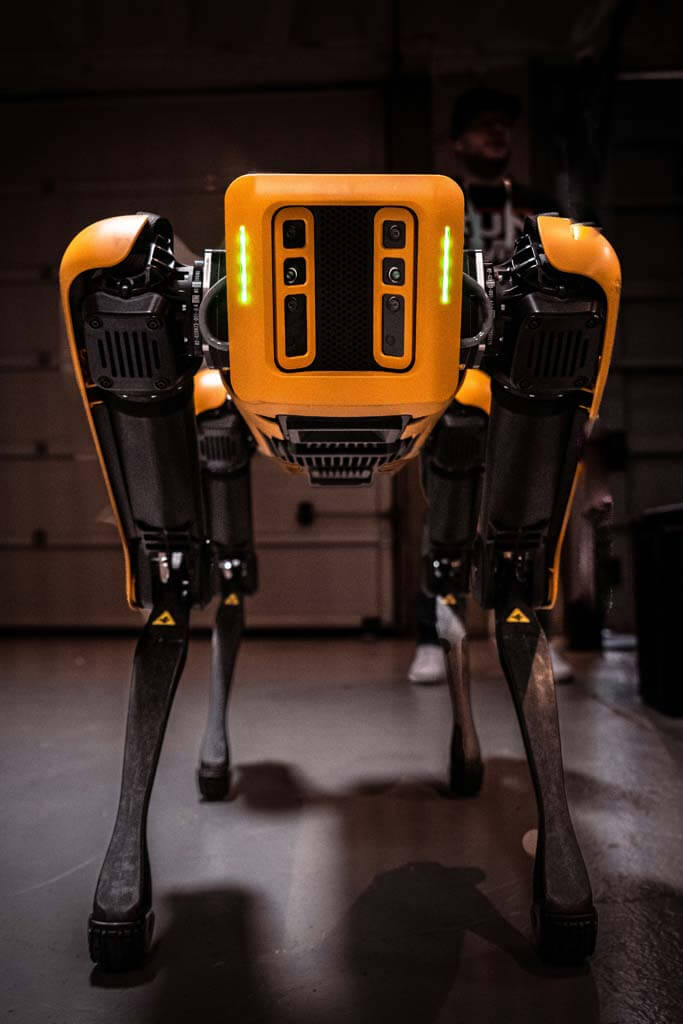
Boston Dynamics deserves a standing ovation for pioneering some of the most advanced robotic dogs in existence. Their famous “Spot” is no ordinary machine — it can climb stairs, handle rough terrain, and even open doors (though, thankfully, not to sneak snacks). Engineers designed Spot to work alongside people in construction sites, research facilities, and even public safety operations. It’s like having a tireless coworker who never complains about overtime. Watching Spot move is oddly satisfying, almost lifelike, yet reassuringly precise. The company has clearly mastered the balance between function and friendliness.
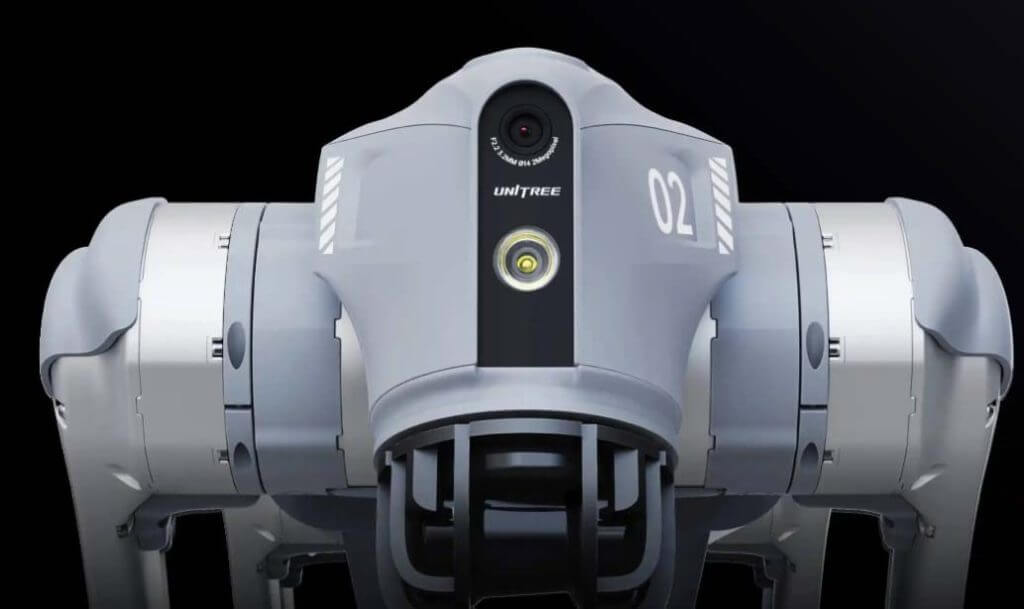
Meanwhile, over in China, Unitree Robotics is doing wonders with its own line of robotic dogs. Their models are more affordable yet incredibly agile. You’ll see their creations used by universities, tech enthusiasts, and even in entertainment. Some models can dance, jog, or follow commands with uncanny responsiveness. It’s wild how accessible the technology has become — you can literally buy a robotic dog that mirrors the behavior of its big-budget cousins at a fraction of the cost. Unitree’s work proves that innovation doesn’t have to break the bank.
How Robotic Dogs Are Saving Lives
Few realize how important robotic dogs have become in search and rescue missions. When humans can’t safely reach collapsed buildings or dangerous zones, robotic dogs take the lead. Boston Dynamics’ Spot, for instance, has been deployed to inspect disaster areas and collect vital data. These bots can navigate places that would otherwise risk human lives. They send back 3D scans, detect heat sources, and map out safe routes. It’s almost like having a second pair of eyes — except those eyes are laser sensors, and they never blink.
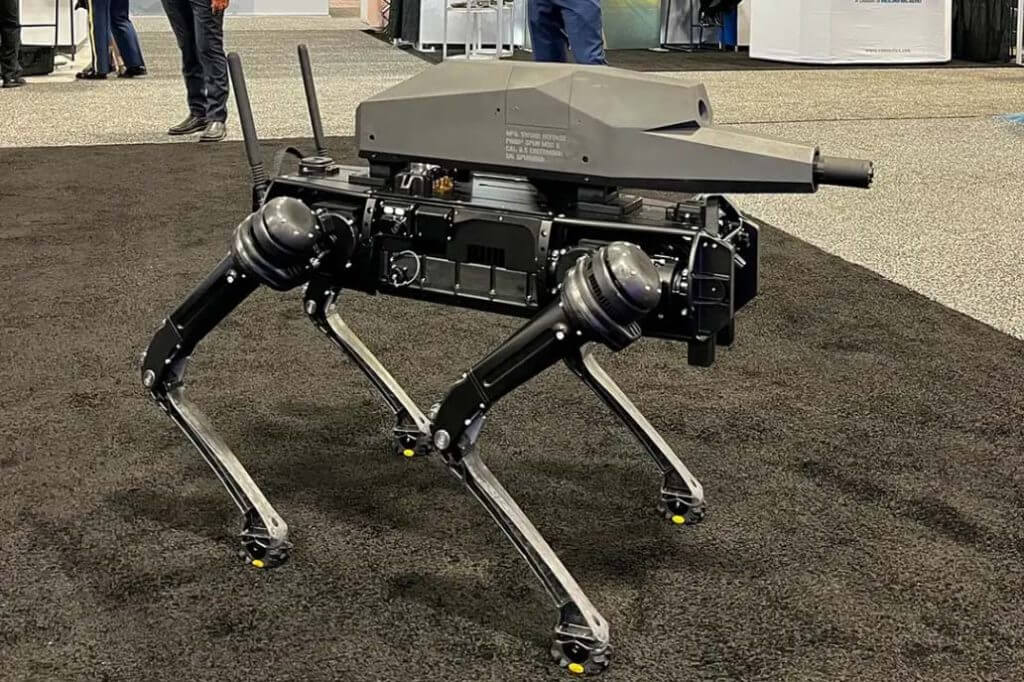
Ghost Robotics also deserves major credit here. The company specializes in rugged, military-grade robotic dogs capable of performing reconnaissance and security duties. Their designs are sturdy, all-weather machines that can handle mud, snow, or rocky terrain. Some models even integrate advanced sensors and AI for autonomous decision-making. The result? Robotic dogs that can patrol borders, scout unsafe environments, and carry equipment for soldiers. It’s technology that protects humans by taking on the hard stuff — quite literally walking into danger so others don’t have to.
Everyday Roles of Robotic Dogs in Society
Beyond the heavy-duty jobs, robotic dogs are also sneaking into everyday life in surprisingly wholesome ways. Schools and research labs use them to teach programming, robotics, and AI concepts. Imagine learning to code by training a dog — only this one never gets tired or distracted by squirrels. It’s a fun, interactive way for students to explore science and engineering.
Some companies and households are even experimenting with robotic dogs as companions. While they’re not meant to replace living pets, they can offer comfort and engagement for people who can’t care for animals due to allergies, mobility issues, or housing restrictions. There’s something genuinely heartwarming about watching a mechanical pup wag its digital tail and respond to touch or voice commands. It reminds people of how far empathy and technology can intertwine.
Robotic Dogs in Business and Industry
Industries are also seeing huge benefits. Construction companies use robotic dogs to inspect sites, check for safety hazards, and capture progress data. They can carry scanners and cameras to spots that would otherwise require scaffolding or risk. That saves time, money, and human effort. Logistics facilities use them for surveillance and automated inspections. Some models can even deliver tools across large workspaces. The efficiency boost is massive — and the novelty factor makes work just a bit more fun too.
Unitree Robotics continues to push that line between utility and entertainment. Their products often double as research platforms and commercial showcases. Tech enthusiasts love customizing the movement patterns, testing new AI behaviors, and creating unique demos. The company’s openness to developers makes innovation feel like a shared adventure rather than a closed-off field. That kind of community-driven progress keeps the excitement alive.
Ghost Robotics: Strength and Purpose
Ghost Robotics brings something different to the table — sheer toughness. The company designs robotic dogs that thrive in extreme conditions. Security firms and military units use them for tasks that demand durability, autonomy, and precision. Their models can carry gear, detect intruders, and move silently over complex terrain. It’s remarkable how seamlessly these machines blend into operations without needing constant control.
While that might sound like high-stakes work, it’s all about protection. The goal is to support people, not replace them. Ghost Robotics emphasizes reliability and trust — qualities that matter in any mission-critical environment. Watching one of their robotic dogs navigate through mud or over rocks looks almost poetic, like engineering meeting endurance in perfect sync.
Why People Love Watching Robotic Dogs
There’s also something universally fascinating about robotic dogs. Watching them move triggers that odd mix of wonder and admiration. Maybe it’s the way they mimic natural movement so smoothly. Maybe it’s the idea that humans built something capable of learning and adapting like a living creature. People cheer when Spot dances or flips, and social media lights up whenever Unitree releases a new demo. These little metal marvels bridge the gap between robotics and emotion — they make high tech feel human.
And honestly, that’s one of the most inspiring parts. We live in an era where technology often feels cold or detached. Robotic dogs flip that narrative by showing warmth through design and purpose. They’re a reminder that progress doesn’t have to be sterile. It can be graceful, approachable, even lovable in a weirdly mechanical way.
The Future Looks Friendly for Robotic Dogs
The path ahead is exciting. Expect robotic dogs to appear in more public roles — guiding the visually impaired, assisting with warehouse automation, and helping first responders in emergencies. Newer models will become smarter, lighter, and even more lifelike. Some might even communicate better with humans through AI-driven speech or gestures. Engineers keep finding creative ways to blend robotics with everyday life, and the results just keep getting better.
Boston Dynamics, Unitree Robotics, and Ghost Robotics are leading that charge beautifully. Each company brings its own flavor — Boston Dynamics focuses on precision and versatility, Unitree adds affordability and community innovation, and Ghost Robotics perfects resilience and strength. Together, they’re proving that robotic dogs aren’t a fad. They’re the next evolution of practical robotics, built to walk beside humanity — quite literally.
Final Thoughts
Seeing how robotic dogs have already transformed fields from construction to caregiving feels like catching a glimpse of tomorrow. There’s something optimistic about it all — machines built to serve, assist, and inspire. As the tech evolves, expect even more harmony between human creativity and robotic capability. Every wag, every step, every scan marks progress toward a smarter, safer world.
To explore more groundbreaking innovations and future-forward ideas, visit YouImpressed.com.