
Napa Valley has dominated the American Wine conversation for decades. Collectors obsess over cult Cabernets, tourists pack tasting rooms, and prices climb higher than the Mayacamas Mountains. But here’s the thing—wine culture never stands still. New regions are emerging, grapes are adapting to different climates, and winemakers are discovering that world-class bottles can come from places nobody saw coming.
The future of wine in America looks nothing like the past. Oregon’s Willamette Valley already proved doubters wrong with Pinot Noir that rivals Burgundy. Now, lesser-known areas are stepping up with their own signature styles. Some regions benefit from cooling Pacific breezes. Others work with volcanic soils or high-altitude vineyards that create completely unique flavor profiles. And just like investors diversify portfolios with assets from gold markets to stocks, wine enthusiasts are spreading their attention beyond California’s famous valleys.
Why American Wine Is Expanding Beyond Traditional Regions
Climate change sounds like bad news, but winemakers are adaptable people. Rising temperatures are pushing viticulture into areas previously considered too cold or marginal. Michigan, New York, and even Idaho are producing legitimate wines that sommeliers actually want to pour. The expansion isn’t just about temperature, though. Land prices in Napa can reach $300,000 per acre—yeah, you read that right. Young winemakers simply can’t afford to start there anymore.
So where do passionate vintners go when Napa’s gatekeepers won’t let them in? Everywhere else. Turns out America has plenty of terroir worth exploring. Washington State’s Columbia Valley produces bold reds that age beautifully. Virginia’s wine country channels Old World elegance with a Mid-Atlantic twist. Arizona—Arizona!—is growing exceptional high-elevation wines that shock anyone willing to give them a chance.
The wine world is changing fast. Really fast, actually.
The Finger Lakes: Riesling’s American Stronghold
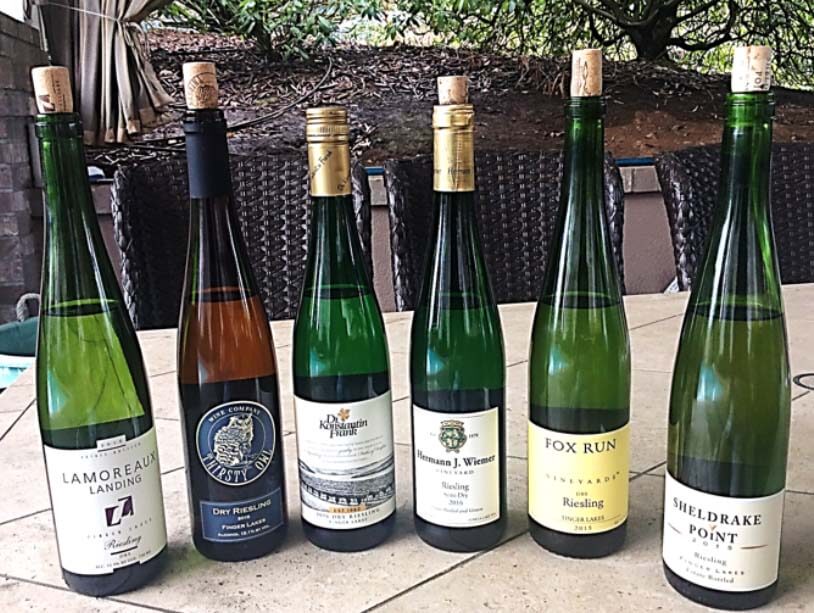
New York’s Finger Lakes region doesn’t get nearly enough respect. Ask most people about New York wine and blank stares follow. Ask sommeliers about American Riesling and watch their faces light up when Finger Lakes comes up. The deep glacial lakes moderate temperatures and create perfect conditions for aromatic whites. Hermann J. Wiemer, Dr. Konstantin Frank, and Ravines Wine Cellars have been crafting stunning Rieslings for years—bottles that stand proudly next to German Mosel examples.
Riesling isn’t the only game here, though. Cabernet Franc thrives in the cooler climate, producing wines with bright acidity and herbal complexity. Gewürztraminer, Grüner Veltliner, and even some experimental hybrids are finding success. The region’s winemakers embrace diversity instead of chasing a single signature grape. Smart move, honestly.
Tourism hasn’t exploded yet like in Napa or Sonoma, which means tasting room experiences feel more authentic and less commercialized. Visitors actually talk to winemakers instead of bored pouring staff. The charm factor runs high, the prices stay reasonable, and the wines genuinely impress. What’s not to love?
Virginia’s Wine Country: History Meets Modern Winemaking
Thomas Jefferson tried and failed to make wine in Virginia. Modern winemakers are succeeding where the Founding Father couldn’t. American Wine regions don’t come with much more historical pedigree than Virginia—the state’s wine industry dates back over 400 years. Recent decades have seen an absolute explosion in quality, with over 300 wineries now operating across the Commonwealth.
Viognier has become Virginia’s calling card. The Rhône variety loves Virginia’s warm days and cool nights, producing aromatic whites with stone fruit flavors and rich texture. Cabernet Franc performs beautifully here too, often better than Cabernet Sauvignon. Petit Verdot, typically a blending grape in Bordeaux, shines as a single varietal in Virginia with inky color and bold tannins.
The Monticello AVA, named after Jefferson’s estate, anchors the industry. Barboursville Vineyards, one of the region’s pioneers, consistently produces wines that compete internationally. RdV Vineyards crafts Bordeaux-style blends that sell for premium prices—and deserve every penny. Early Mountain Vineyards combines serious winemaking with a fun, approachable tasting room experience.
Virginia wine culture balances respect for European tradition with distinctly American innovation. Winemakers aren’t trying to copy Bordeaux or Burgundy. Instead, the focus stays on expressing Virginia’s unique terroir through whatever grapes work best. Much like how impressive products distinguish themselves through authenticity rather than imitation, Virginia wines succeed by being genuinely themselves.
Arizona’s High Desert: Elevation Changes Everything
Arizona produces wine. Say that at a dinner party and watch people’s eyebrows raise. The Grand Canyon State isn’t exactly known for viticulture, but high-elevation vineyards in areas like Sonoita and Willcox are proving skeptics wrong. Vineyards planted between 4,000 and 5,000 feet elevation enjoy dramatic temperature swings—90-degree days followed by 50-degree nights. Grapes love this diurnal shift.
Callaghan Vineyards and Dos Cabezas WineWorks are crafting world-class wines that would fit comfortably on any serious wine list. Rhône and Spanish varietals perform exceptionally well. Syrah, Grenache, Mourvèdre, and Tempranillo all thrive in the desert climate when planted at elevation. The wines show concentration and depth while maintaining beautiful acidity—not an easy balance to strike.
Arizona’s wine industry remains tiny compared to California or Washington, but that small scale creates opportunity. Winemakers experiment freely without pressure to conform to established regional styles. Some make natural wines with minimal intervention. Others embrace modern techniques and new oak. The diversity of approaches keeps things interesting, and frankly, kind of exciting for anyone paying attention.
Michigan’s Wine Renaissance Along the Lakeshore
Lake Michigan’s eastern shore creates a microclimate perfect for cool-climate varieties. The Great Lakes moderate temperatures just like the Finger Lakes do, extending the growing season and protecting vines from harsh winter freezes. Michigan’s wine country spans from Traverse City down through the Leelanau and Old Mission Peninsulas, with over 140 wineries now calling the state home.
Riesling dominates the white wine category, showing mineral-driven precision and crisp acidity. Pinot Grigio, Gewürztraminer, and Chardonnay all perform well. Pinot Noir has become Michigan’s flagship red, producing elegant, earthy wines that recall Burgundy without directly copying it. Some producers are pushing boundaries with Cabernet Franc and even experimenting with hybrid varieties bred to survive brutal winters.
Mari Vineyards, Left Foot Charley, and Brys Estate have built strong reputations for quality. The tasting room scene embraces casual Midwestern hospitality—less pretentious than coastal wine regions, more focused on actually enjoying wine rather than performing knowledge about it. Prices remain accessible, and the scenery along the lakeshore rivals anything Napa offers.
Investing in the Future of American Wine
Wine collecting has always attracted investors looking beyond traditional assets. Fine wine can appreciate significantly over time, similar to how precious metals provide portfolio diversification. Speaking of which, anyone tracking silver market trends knows alternative investments are having a moment. American Wine from emerging regions presents interesting opportunities for collectors willing to bet on the future rather than chase established names.
Buying futures or library releases from up-and-coming producers in Virginia, Arizona, or Michigan could pay off handsomely as these regions gain recognition. Early supporters of Oregon Pinot Noir in the 1980s watched their collections appreciate substantially. The same pattern could repeat as new regions establish themselves.
Not all wine investments pan out, obviously. Due diligence matters. Research producers, understand the region’s strengths, and most importantly—taste the wines yourself. A bottle that’s supposed to appreciate means nothing if you wouldn’t actually want to drink it. Wine should bring pleasure first, investment returns second. Unlike monitoring precious metal prices where emotion doesn’t enter the equation, wine investing requires passion alongside financial calculation.
The Future Looks Bright for American Wine
Nobody’s suggesting Napa will lose its crown anytime soon. The valley’s reputation is earned and deserved. But American Wine culture has matured enough to support multiple world-class regions, each with distinct identities and strengths. Consumers benefit from this diversity—more choices, better value, and wines that express unique American terroirs beyond California.
Climate challenges will continue reshaping the wine map. Some traditional regions may struggle while new areas flourish. Winemakers who embrace change and work with their environment rather than against it will thrive. The future belongs to passionate producers willing to take risks and challenge assumptions about where great wine can come from.
Emerging regions offer wine lovers a chance to discover something special before everyone else catches on. Nothing beats the satisfaction of finding an incredible bottle from an unknown winery, then watching that producer gain recognition years later. That’s the adventure driving wine culture forward—constant exploration, occasional disappointment, and those magical moments when everything comes together in the glass.
So yeah, Napa isn’t going anywhere. But the conversation around American Wine is expanding, and that’s genuinely exciting for everyone who loves wine. New regions mean new stories, new flavors, and new reasons to pull a cork. The next chapter of American viticulture is being written right now across vineyards from the Finger Lakes to Arizona’s high desert. Time to start paying attention.
“`