
By Milo Quil | Lead Writer, AI / Latest Tech | YouImpressed.com
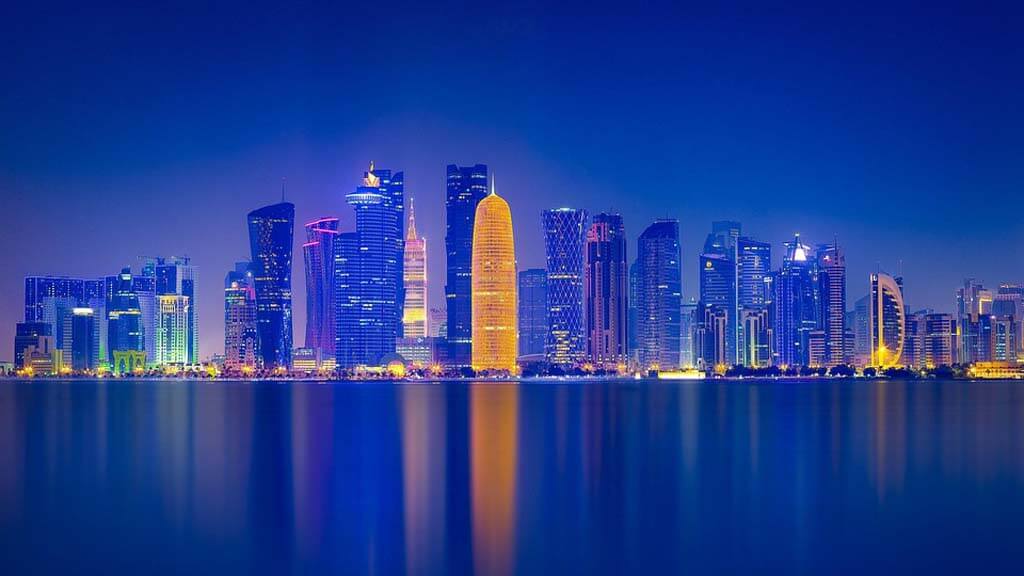
Imagine a city where traffic never exists, trash disappears on its own, the air always smells like cedar and ambition, and your coffee shows up before you ask for it. That’s not a dream—that’s just Tuesday in the emerging world of Luxury Smart Cities.
Silicon Valley has been flirting with utopia for decades, but the next wave of tech innovation isn’t another app or gadget—it’s entire cities built from the ground up, dripping in tech and polished with wealth. Forget about urban chaos. Luxury Smart Cities aim to deliver an algorithmic order, sustainable luxury, and a concierge-level lifestyle seamlessly integrated into the urban fabric.
Check out Smart Home Starter Kit with Alexa
What Exactly Are Luxury Smart Cities?
Think Monaco meets MIT. Luxury Smart Cities blend high-end living with bleeding-edge tech infrastructure. Every inch is designed for optimized living, powered by artificial intelligence, sensors, clean energy, and insane amounts of data.
Instead of retrofitting old buildings and traffic lights with temporary tech solutions, developers are creating new cities where the smart features are built into the foundation. You don’t adapt to the city—the city adapts to you. And you better believe the furniture is Italian, and the Wi-Fi is quantum-grade.
Neom: Saudi Arabia’s $500 Billion Sandbox
Neom is the poster child for the Luxury Smart Cities movement. Located in Saudi Arabia, this futuristic mega-project features The Line, a linear city spanning 105 miles in length but only 200 meters in width. No roads. No cars. Just ultra-efficient public transit and AI-powered systems that manage everything from temperature to trash collection.
Want sunlight that adjusts to your circadian rhythm? Neom’s got it. Want an apartment that knows when you’re sad and queues up your comfort playlist? That’s coming. The city promises zero carbon emissions, vertical gardens, and infrastructure that reshapes itself to meet your needs.
Check out the 24 Inch Digital Calendar Wall Planner Touch Screen
Telosa: America’s Smart Utopia?
Marc Lore, former Walmart exec and current dreamer-in-chief, has big plans for Telosa, a proposed $400 billion city designed around equity, sustainability, and (of course) technology. The idea is to build a community where access to clean air, top-notch education, and autonomous transportation is standard, not Exclusive to the Privileged Few.
While Telosa markets itself as inclusive and sustainable, make no mistake—it’s being built to appeal to those with discerning tastes, tech literacy, and deep pockets. No one drops billions into desert dirt without hoping to attract a few Rolls-Royces and Rivians.
AI at the Center of It All
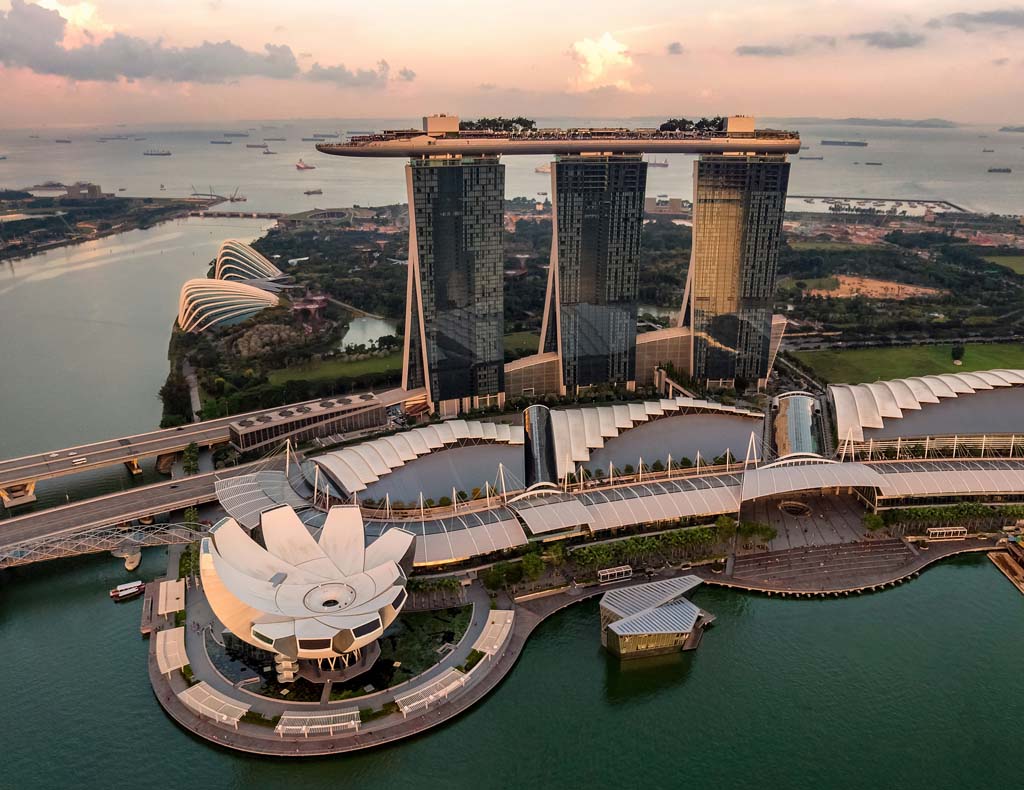
AI doesn’t just show up in Luxury Smart Cities; it runs the show. From real-time energy usage optimization to predictive traffic flow, city systems learn from residents and evolve with them. AI-based waste management systems operate with robotic precision. Personalized mobility services ensure your self-driving Tesla—or drone taxi—arrives precisely when needed.
Citywide digital twins (basically giant, real-time 3D models of the entire city) let administrators simulate policies before implementing them. Want to see how a new luxury high-rise might affect sunlight on your rooftop pool? Simply plug it into the twin and watch the shadows fall in real-time.
Check out the Sensibo Air – Smart Air Conditioner Controller
Sustainability That Doesn’t Feel Like Sacrifice
Solar-paneled rooftops, water-recycling bathtubs, and smart grids sound practical, but in Luxury Smart Cities, they’re also part of the aesthetic. These cities prove that you can save the planet without giving up heated marble floors.
Green tech merges with glamor. Walls made of self-healing bioconcrete. Buildings wrapped in solar skins. Public gardens irrigated with atmospheric water generators. Every sustainability feature is seamlessly integrated, often invisible—because nothing screams “exclusive” like being carbon-neutral in cashmere.
Smart Homes That Know You Better Than Your Friends
Residences in Luxury Smart Cities are less about shelter and more about systems. Smart kitchens suggest recipes based on your gut biome. Bedrooms track your REM cycles and adjust the temperature for optimal sleep. Even the toilets monitor your health and quietly suggest lifestyle changes. Yes, your toilet wants what’s best for you.
Check out Amazon Echo Show 8 (newest model)
Voice assistants don’t just respond—they anticipate. AI observes your routines, from when you open the fridge to when you fake laugh at emails. Over time, it creates a living experience so tailored, it’s borderline psychic.
Infrastructure That Makes Legacy Cities Look Ancient
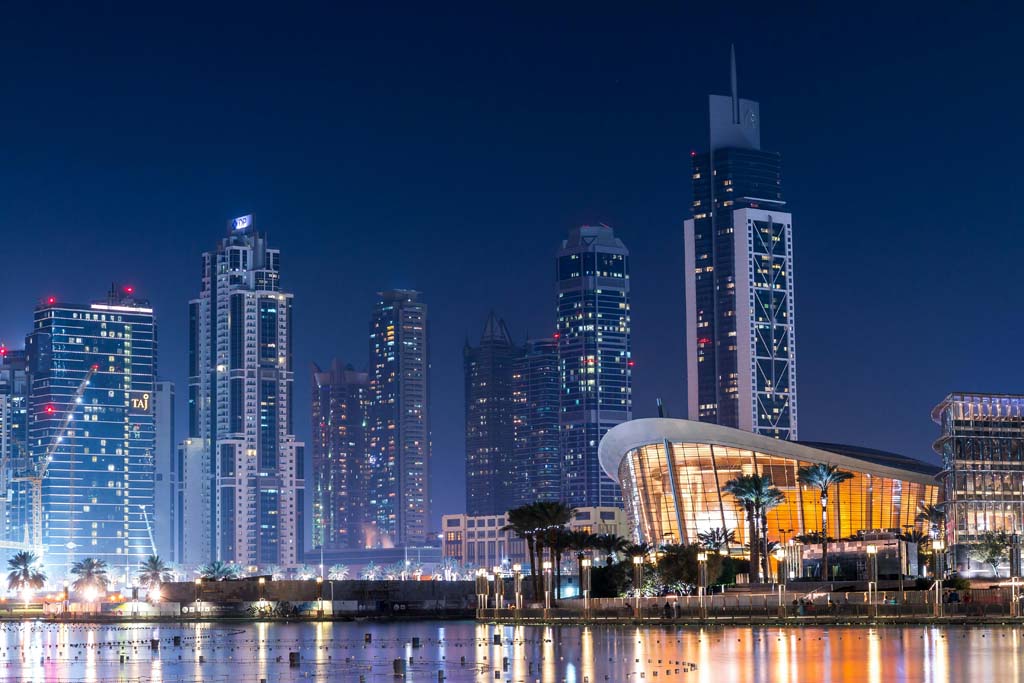
Traditional cities deal with potholes. Luxury smart cities utilize predictive maintenance. Roads and bridges are equipped with sensors that detect stress levels and report issues before any damage occurs. Water lines monitor flow and quality in real time. Drones inspect buildings. Maintenance becomes proactive, not reactive—and your Uber never hits a bump on the way to that rooftop martini bar.
Luxury Transportation, Reinvented
Mobility in Luxury Smart Cities isn’t just autonomous—it’s elegant. Personal electric helicopters, on-demand hyperloop shuttles, AI-optimized bike shares, and zero-wait ride-hailing services are all part of daily life.
Check out Amazon Echo Show 15 (newest model), Full HD 15.6″
Some cities even offer subscription-based mobility plans. Need a private AV for dinner and a drone taxi to the airport at 4 a.m.? It’s all bundled into your luxury lifestyle package. You’ll get where you’re going, but you’ll look good doing it—and probably get there faster than anyone else.
Security Without the Surveillance State Vibes
Security in Luxury Smart Cities is subtle, omnipresent, and AI-enhanced. Facial recognition tech scans for threats, but only alerts when necessary. Predictive policing algorithms reduce crime before it happens—ideally without the dystopian aftertaste.
Biometric access replaces keys. Smart contracts handle leases and disputes. Encrypted networks ensure that data remains private while protecting your robotic lawn mower from potential hacking.
Why the Ultra-Wealthy Are All In
High-net-worth individuals want control, comfort, and convenience—and Luxury Smart Cities offer all three on a platinum platter. When you can afford anywhere, why not live somewhere that runs as smoothly as your Swiss watch and is smarter than your Ivy League nephew?
Owning a condo in one of these cities isn’t just about real estate—it’s about status. You’re not just buying square footage. You’re buying into a system where every detail of your life is optimized, elevated, and quietly managed by machines.
Check out the World’s Smallest Smart Lock
Challenges? Of Course. But Also Opportunity
No one’s pretending these cities are perfect. Concerns about surveillance, data ethics, and social segregation are real. Who gets to live in a perfectly engineered paradise? And who gets left behind in analog towns with dead zones and bus delays?
Smart cities must strike a balance between innovation and equity. But the upside? Many of the technologies piloted in Luxury Smart Cities eventually trickle down to other cities. Today’s AI air filtration system could be tomorrow’s public health standard. If done right, these projects offer blueprints for better cities everywhere—even if they were initially tailored for billionaires.
The Future Is Already Zoning Itself
Construction is underway. Designs are locked. Investors are sold. Luxury Smart Cities are no longer prototypes. They’re happening. Whether it’s Neom in the desert, Telosa on American soil, or unannounced projects emerging in Europe and Asia, the blueprint of tomorrow is being poured in concrete right now.
Want to live where AI predicts your needs before you do, your car parks itself, and the walls clean the air? You might want to start saving—or start coding.
Curious about the tech behind these high-tech utopias? Head back to the YouImpressed.com homepage and dig into more futuristic finds and AI breakthroughs.