
By Nathan Wells | Lead Writer, Smartphones | YouImpressed.com
iPhone vs Android: The Debate That Never Dies
iPhone vs Android. The great smartphone standoff. Like Coke vs. Pepsi or Ferrari vs. Lamborghini, the battle rages on—only now, in 2025, it’s louder, sharper, and significantly more expensive. Fanbases are more passionate, devices are more powerful, and bragging rights? Priceless.
The showdown in 2025 brings wild upgrades, more intelligent AI, eco-friendly materials, and more personalization than a custom sneaker drop. But when it comes to commanding respect, not every upgrade holds the same weight. The iPhone vs. Android question is no longer just about specs. It’s about style, perception, and the kind of tech confidence that turns heads in boardrooms, cafes, and first-class lounges.
iPhone vs Android in 2025: Who Leads on Design?
Apple’s iPhone 17 Pro Max continues to embody premium design. A titanium frame, thinner bezels, and a refined camera bump make it sleek enough to double as jewelry. The minimalist aesthetic still screams elegance. Every detail, from the haptics to the animations, feels meticulously polished.
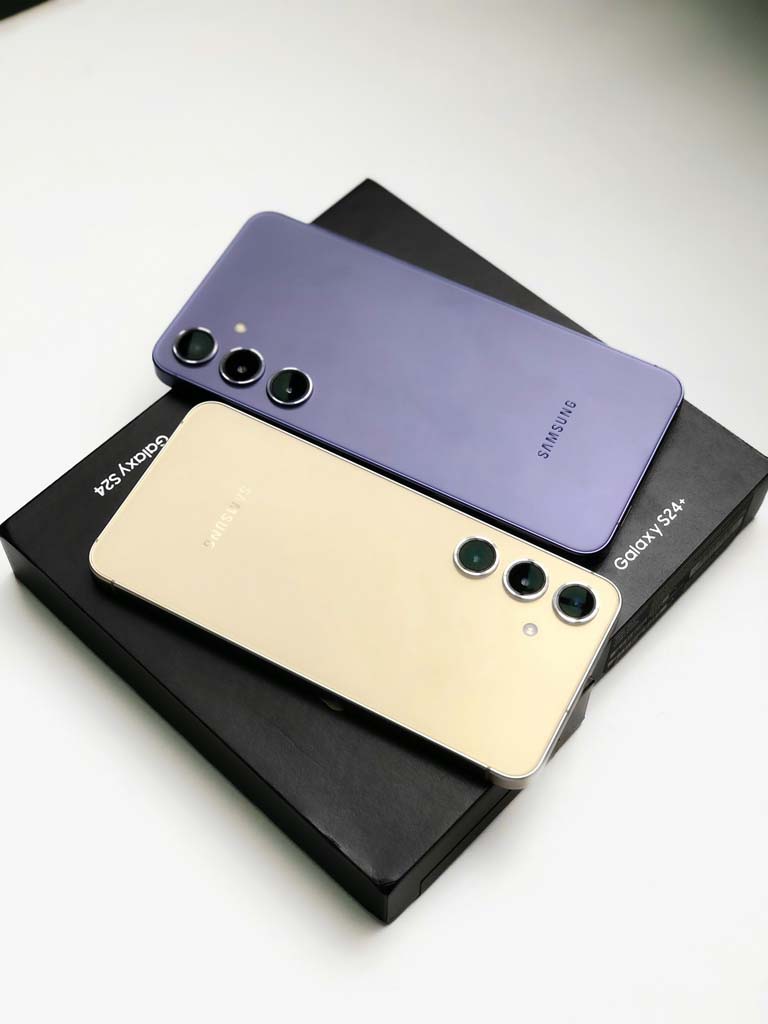
Android, however, brings variety. Samsung, Google, OnePlus, and Xiaomi offer a buffet of design flavors. The Galaxy Z Fold6 Ultra folds like origami. The Pixel 9 Pro delivers matte finishes and understated charm. In 2025, Android devices will feel less plasticky and more Prada.
In the iPhone vs Android design debate, Apple holds the “luxury uniform” card, while Android wins the “express yourself” category. Both command respect, but for different fashion tribes.
iPhone vs. Android: Which OS Feels More Elite?
iOS still reigns supreme in simplicity. Apple’s walled garden locks down the user experience, ensuring fluidity, consistency, and exclusive features like FaceTime, AirDrop, and deep ecosystem integration with Mac, iPad, and Apple Watch.
Android, on the other hand, offers raw customization. Widgets, themes, alternate launchers, and split-screen multitasking give Android loyalists the control they crave. Devices from OnePlus, Xiaomi, and Oppo deliver wildly different takes on Android—and that’s the magic.
In the iPhone vs Android OS battle, Apple delivers the seamless ride, while Android gives the keys to the engine room. Respect comes from mastery—some admire Apple’s restraint, others worship Android’s freedom.
iPhone vs Android: Who’s Winning the AI War?
AI is the new smartphone arms race. Apple’s onboard A19 Bionic chip, combined with Apple Intelligence (AI), delivers enhanced personalization, on-device processing, and more intelligent Siri functions. From message summaries to adaptive scheduling, iPhone now feels like an actual assistant.
Android, however, takes AI to the next level. Google’s Gemini Nano powers Pixel devices with live call summarization, photo re-editing, and contextual smart replies. Samsung leans into Galaxy AI, offering generative wallpaper, advanced photo correction, and real-time translation baked into the OS.
The iPhone vs. Android AI matchup in 2025 resembles Iron Man vs. Tony Stark—both brilliant, but one is definitely more open-source. When it comes to raw AI power, Android is the leader. When it comes to polished integration, iPhone makes it feel classy.
iPhone vs Android: Camera Respect Levels at Max
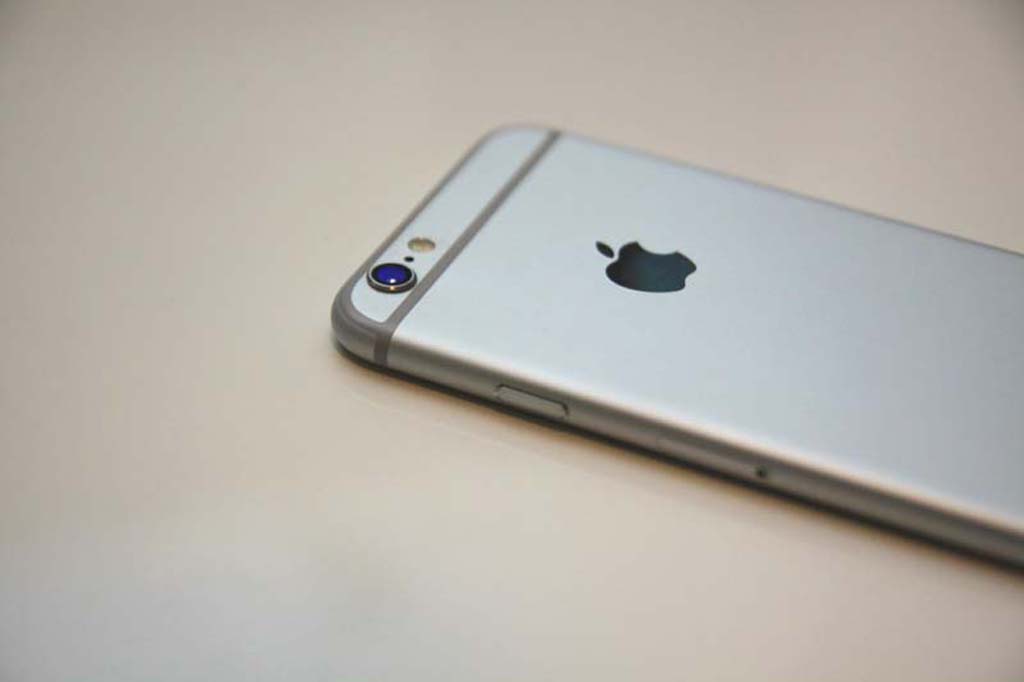
Photography matters. In 2025, both platforms shoot like seasoned professionals. The iPhone 17 Pro Max combines a triple-lens system with AI-enhanced sensor fusion, capturing cinematic 4K video, hyper-realistic portraits, and astrophotography straight from the default app.
Android, though, brings the artillery. Samsung’s 200MP sensor in the S25 Ultra zooms into moon craters. Google’s Pixel 9 Pro strikes a balance between computational magic and true-to-life tone rendering. Xiaomi and Vivo deliver 1-inch sensors and Zeiss optics that rival mid-range DSLRs.
In the iPhone vs Android camera face-off, iPhone wins with consistency and simplicity. Android claims innovation, variety, and sometimes—shockingly—better results. Among photography enthusiasts, Android takes the lead. Among casual shooters, iPhone stays iconic.
iPhone vs Android: Who Nails Ecosystem Bragging Rights?
The Apple ecosystem feels like a luxury resort: everything just works together. AirPods, Apple Watch, iPad, MacBook—every device talks, syncs, and updates in harmony. iCloud, AirDrop, and Handoff make transitioning between tasks seamless.
Android’s ecosystem, though broader, is less centralized. Samsung, Google, and others have made strides—Samsung’s SmartThings and Google Home offer integration across tablets, watches, earbuds, and smart appliances. Android Auto competes closely with CarPlay. But ecosystem envy? Still mostly Apple’s territory.
In the iPhone vs Android ecosystem comparison, Apple earns prestige for cohesion. Android earns points for openness—but sometimes at the cost of elegance.
iPhone vs Android 2025: Who’s the Battery Boss?
Apple’s battery efficiency improves each year. The iPhone 17 Pro Max stretches battery life across an entire day, even with high refresh rates and intense use. MagSafe accessories and reverse wireless charging make the deal even sweeter.
Android devices now feature charging speeds ranging from 120W to 150W, allowing for full top-offs in under 30 minutes. Phones like the OnePlus 12 Pro and Xiaomi 15 Ultra even support wireless charging at speeds exceeding 80W.
In the iPhone vs Android battery category, Apple wins on longevity. Android dominates charging speed. In 2025, both reduce cable anxiety, but Android adds “coffee-break charge” to the mix.
iPhone vs Android: Software Support and Security
Apple leads with five to six years of guaranteed iOS updates, all arriving simultaneously. Security patches are rolled out quickly, and privacy labels in the App Store continue to raise the standard.
Android has closed the gap. Google, Samsung, and OnePlus now offer up to seven years of OS and security updates. Android 15 features enhanced sandboxing, end-to-end encryption, and biometric enhancements that align with Apple’s security standards.
The iPhone vs Android support debate feels tighter in 2025 than ever before. Apple maintains the perception of stricter security, while Android earns respect for matching (and sometimes surpassing) longevity.
iPhone vs Android in Pop Culture and Street Cred
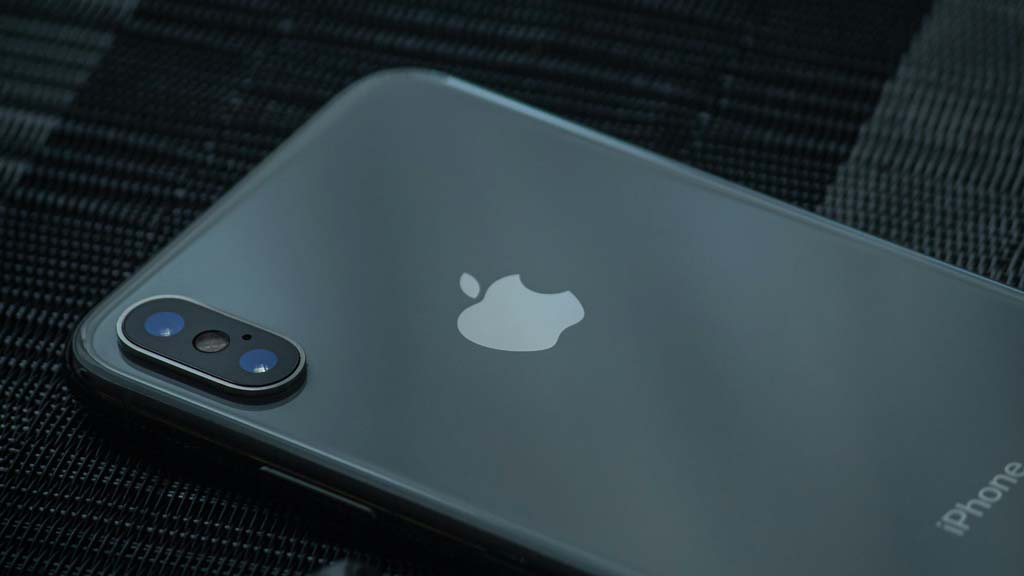
In social settings, the green bubble stigma remains. The iPhone still feels like the unofficial VIP pass in group chats, coffee shops, and networking events. Hollywood celebrities, influencers, and execs often default to iPhone.
Android, however, holds underground clout. Tech enthusiasts, modders, and developers often roll with Android flagships. In gaming circles, foldables and high-refresh displays earn nods of approval.
When it comes to perception, the iPhone vs. Android status game remains alive and well. iPhone wins in fashion-forward circles. Android wins in the hacker lab.
iPhone vs Android: Which Device Really Commands More Respect?
Respect is subjective, but in the tech industry, respect often follows innovation, polish, and exceptional performance. iPhone delivers consistent quality, luxury design, and elite integration. Android pushes boundaries, breaks molds, and redefines versatility.
In 2025, the iPhone vs. Android battle remains undecided. Instead, it has two champions. iPhone commands admiration for refinement. Android earns respect for rebellion. Both deserve applause—and maybe a pocket upgrade.
To dive deeper into the tech that’s turning heads this year, visit the YouImpressed.com homepage. The smartphone war continues—and it’s never looked sharper.