
This post contains affiliate links. If you buy through these links, we may earn a commission at no extra cost to you.
By Milo Quil | Lead Writer, AI / Latest Tech | YouImpressed.com
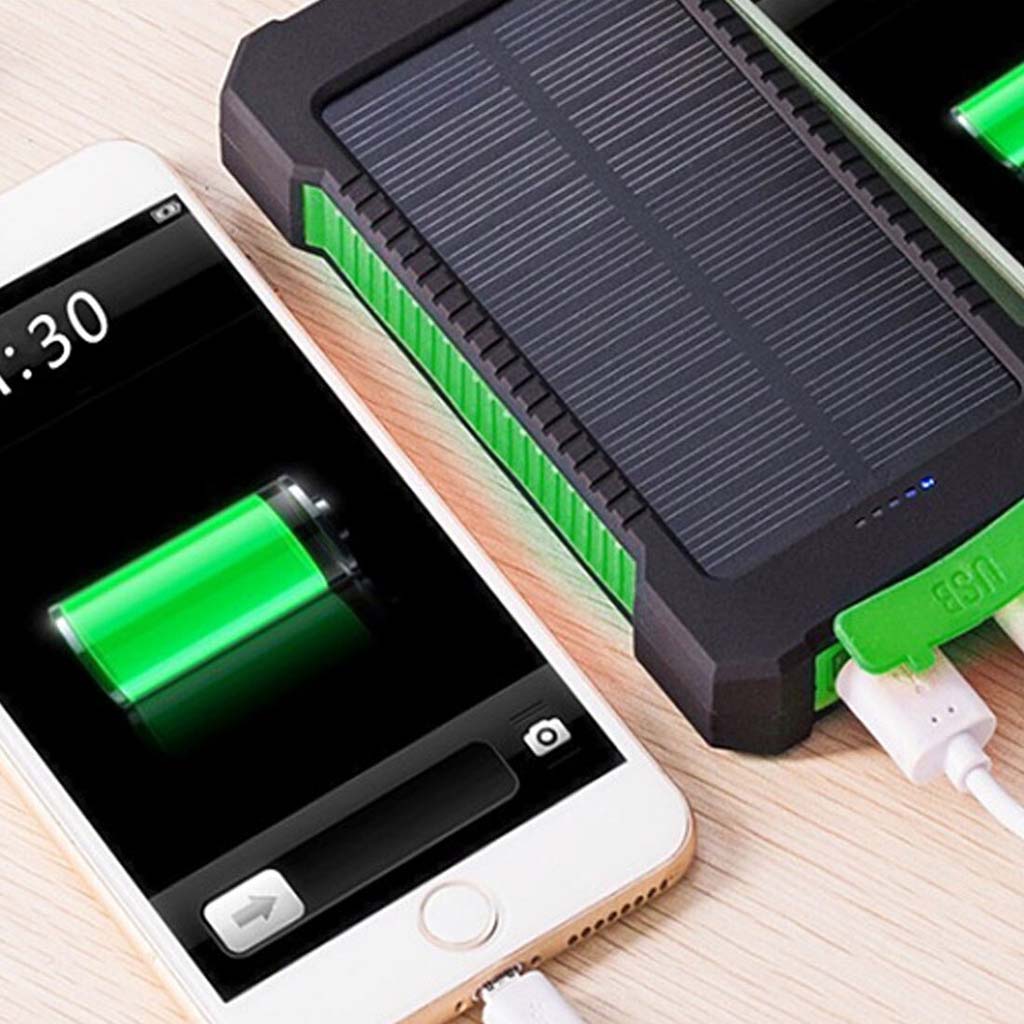
Let’s face it—battery anxiety is real. Nothing derails a day faster than a phone gasping for life when you’re ten hours from the nearest outlet. Enter the Anker PowerPort 20,000mAh, a pocket-sized slab of charging power that’s essentially a generator with a USB port. Okay, not quite. But close.
I’ve been using the Anker Prime for a few weeks now, dragging it through airports, conferences, and one slightly overambitious hike in Big Sur. The verdict? This thing slaps. If you’re the person who carries two phones, a laptop, earbuds, and a smartwatch, the Anker Prime is the best decision you’ve made since getting TSA PreCheck.
First Impressions: Sleek, Solid, and Surprisingly Stylish
Most power banks resemble sad, black bricks. Not this one. The Anker Prime features a premium finish with curved edges and a subtle screen that indicates the exact amount of juice remaining. It feels more like a luxury gadget than a backup battery. Toss it on a café table next to your MacBook, and people will assume it’s some high-end tech you brought back from a CES prototype room.
The size hits a sweet spot. At around 1.1 pounds, it’s heavier than your average power bank, but significantly lighter than carrying a set of chargers and cords. It slides easily into a backpack, tech pouch, or the oversized pockets of a well-designed hoodie (you know the ones).
Let’s Talk Power: Numbers That Matter
The Anker Prime boasts a beefy 20,000mAh capacity. In human terms, that’s roughly:
- 4 full charges for your iPhone
- 1.5 charges for a MacBook Air
- About 7–8 charges for wireless earbuds
But wait—there’s more. The Anker Prime can output up to 200W total, with dual USB-C ports and one USB-A port. That means you can charge your laptop, phone, and headphones simultaneously without exceeding any power limits or watching the charging progress crawl. Anker’s PowerIQ 4.0 technology balances the load intelligently, so your devices get the fastest charge they can safely handle.
During testing, I recharged my 14-inch MacBook Pro from 10% to 100% in just under 90 minutes, while also topping off my Pixel 8 and my Jabra earbuds. No overheating. No weird disconnects. Just pure, unfiltered electricity, baby.
Real-World Use: Not Just for Emergencies
I initially grabbed the Anker Prime to be a “just in case” backup for travel. Now I’m using it daily and working remotely from a park bench. Plug in. Long commute with a laptop in your lap? Plug in. Want to charge your gear while camping off-grid? You guessed it—plug in.
The OLED screen gives live readouts of wattage input and output, battery percentage, and estimated time remaining. For nerds like me (and maybe you), that’s borderline thrilling. You can also recharge the bank itself in under 75 minutes if you use a high-wattage wall charger.
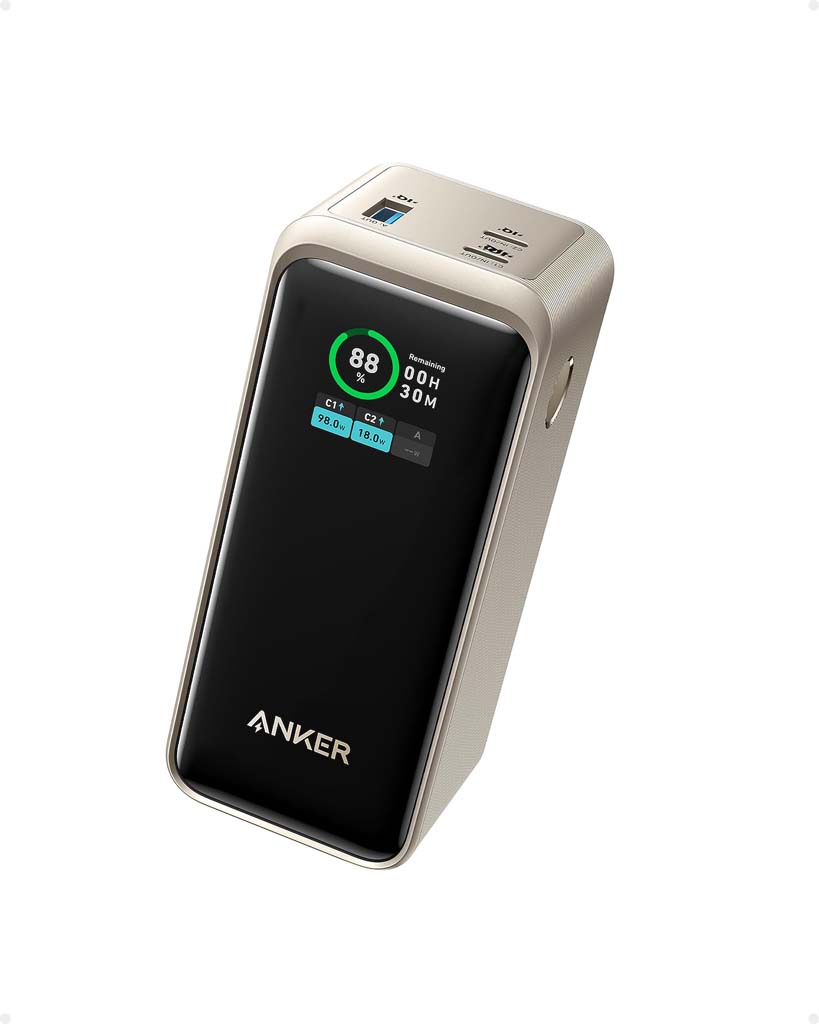
The Anker Prime isn’t waterproof, so don’t toss it in the river. But it does feel tough enough to survive a drop or two. I don’t recommend testing that part, unless you enjoy the sound of expensive electronics crashing to the ground.
Bonus Features That Matter
Anker tossed in a few extras that elevate this from “good” to “worth showing off.”
- Active temperature control: Keeps the unit cool even during high-output charging.
- Brilliant display: No guessing how much power you’ve got left.
- Trickle charging mode: Safely charges low-power devices, such as smartwatches or fitness bands.
And yes, the Anker Prime works flawlessly with Apple, Samsung, Google, Dell, HP, and most USB-C or USB-A devices, with no compatibility issues or slow charging. Just plug in and go.
Anker Laptop Power Bank, 25,000mAh Portable Charger with Triple 100W USB-C Ports
What It Doesn’t Do (Because Nothing’s Perfect)
The Anker Prime doesn’t support wireless charging. That’s a bummer if you’re used to plopping your phone down on a pad. It also doesn’t come with a charging brick in the box (just the cable). Anker assumes you already own a fast wall charger, and you should if you’re serious about mobile power.
The price might raise some eyebrows. It retails around $129.99, depending on sales and bundles. But when you factor in what you’re getting—massive capacity, fast output, premium design—it’s a solid value. Cheaper options exist, but few can match the total package.
Who Is the Anker Prime For?
If your gear is glued to your hands and you live life unplugged, the Anker Prime is a no-brainer. It’s perfect for digital nomads, frequent travelers, power users, or anyone tired of asking strangers for an outlet at airports. Even casual users will appreciate the peace of mind that comes with having backup power on tap.
Anker Prime Power Bank, 27,650mAh 3-Port 250W Portable Charger for Travel, TSA-Approved
It’s also ideal for students, remote workers, creators, and journalists who operate on the go. Want to livestream a protest or Zoom from a mountain? Anker Prime has your back. You might forget to bring your lunch, but you won’t forget this power bank once you’ve tried it.
Final Thoughts: Anker Prime Is the Power Bank to Beat
The Anker Prime 20,000mAh Power Bank isn’t just another battery—it’s a mobile powerhouse with the brains and brawn to match. It blends capacity, speed, and versatility in a way that’s rare in a market full of clunky knockoffs and questionable safety claims.
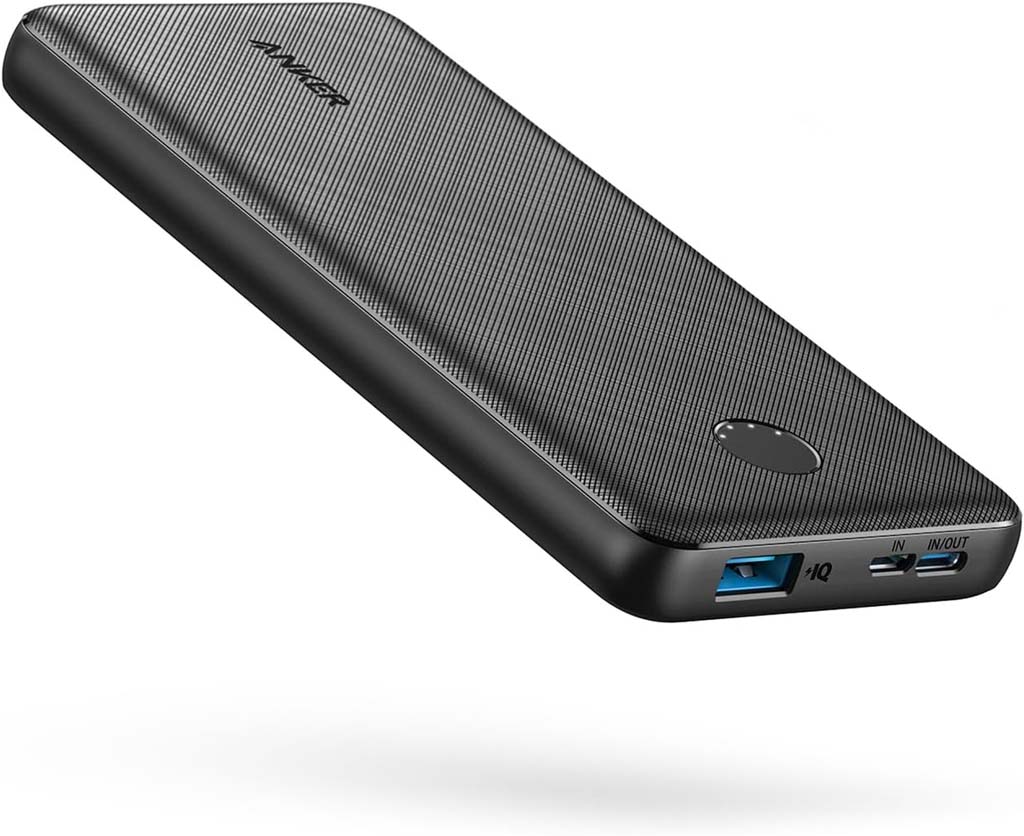
If you care about quality gear, crave dependability, and want your gadgets fueled wherever you go, you’ll be hard-pressed to find anything better right now. I’m officially dubbing the Anker Prime the Leatherman of power banks: sleek, multi-functional, and quietly indispensable.
For more cutting-edge gear and AI-infused takes on the tech shaping your life, check out the YouImpressed.com homepage. We’re always charging forward—literally and figuratively.